What Is a Pate en Croute Mold?
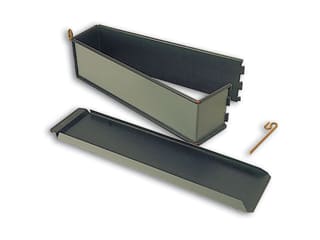
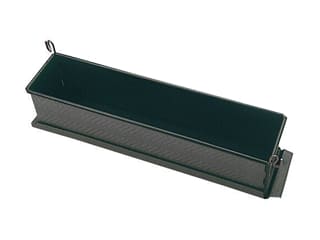
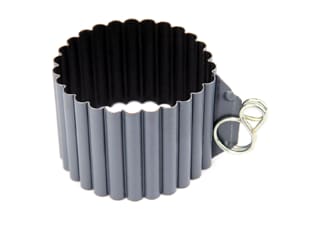
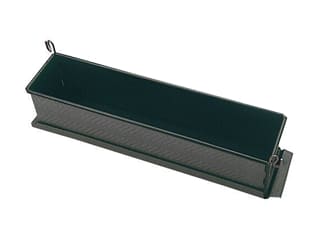
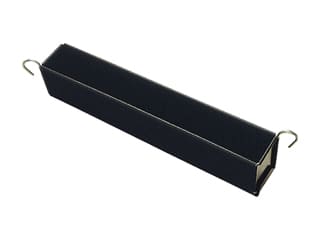
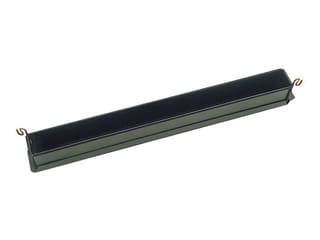
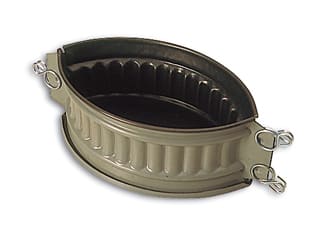
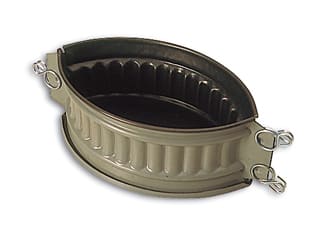
A pate en croute mold is a specialised mould used to shape and bake pâté en croûte. It gives the preparation its characteristic rectangular or elongated shape and helps maintain regular dimensions during baking.
The mould supports the pastry as it is filled with the pâté mixture. It also helps create straight sides and a uniform thickness. This is particularly important when the finished pâté is sliced and presented as an appetiser, starter or buffet dish.
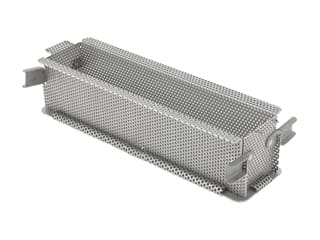
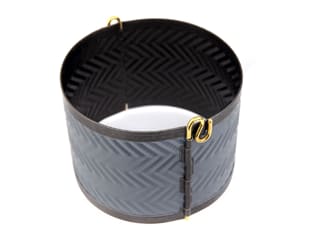
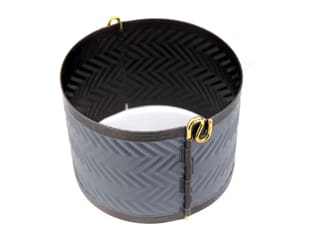
Depending on the model, the mould may feature a removable base, hinged sides or other practical details that make unmoulding easier. Professional designs focus on rigidity, heat resistance and accurate dimensions.
Choosing the Right Pate en Croute Mold
The choice of mould depends on the quantity of filling, the desired shape and the type of pâté en croûte you want to prepare. Consider the following characteristics before selecting your mould:
- Capacity: choose a size suited to the quantity of filling and pastry you are preparing.
- Dimensions: the length, width and height determine the final shape and portion size.
- Material: choose a material that provides good heat distribution and sufficient rigidity.
- Design: removable or hinged constructions can simplify unmoulding.
- Maintenance: select a model that is easy to clean and suitable for regular use.
A rigid mould is particularly useful when preparing pâté en croûte professionally. It helps maintain the shape of the pastry during baking and supports precise presentation.
Why Use a Professional Pâté en Croûte Mould?
Making paté en croute requires more than a standard loaf tin. The pastry casing must remain intact while the filling cooks evenly inside. A dedicated mould provides the structure needed for this type of preparation.
Pâté en Croûte: A Technical Preparation
Pâté en croûte is a preparation in which a seasoned meat, poultry, game or other filling is enclosed in pastry and baked in a mould. The pastry acts as both a casing and an important part of the finished dish.
Successful preparation depends on several technical factors. The pastry must be rolled evenly and fitted closely against the sides of the mould. The filling must be distributed consistently. The top crust must be properly sealed to prevent leaks during cooking.
Traditional pâté en croûte recipes may also include a layer of jelly. Once the pâté has cooled, the jelly is poured through openings in the crust. It fills the spaces created during cooking and contributes to the characteristic appearance and texture of the finished preparation.
Preparing the Mould
Before filling, prepare the mould according to the material and manufacturer's recommendations. Line it carefully with pastry, making sure that the dough reaches the corners and sides without excessive thickness.
Leave enough pastry around the edges to create a secure seal. The pastry should fit the mould without being stretched. This helps reduce the risk of cracks during baking.
Filling and Sealing
Fill the pastry casing evenly. Avoid large air pockets between the filling and the pastry. Compacting the mixture gently helps create a regular structure and makes slicing easier once the pâté has cooled.
Finish by adding the pastry lid and sealing the edges carefully. Traditional pâté en croûte often features one or more small openings in the top crust. These openings can be used to introduce jelly after baking.
Materials for Pate en Croute Molds
The material of a pate en croute mold affects heat transfer, handling and maintenance. Professional kitchens require equipment that can withstand repeated use without losing its shape or performance.
Metal Pâté Moulds
Metal moulds are widely used for professional pastry and charcuterie preparations. They offer rigidity and efficient heat transfer. Their robust construction makes them suitable for repeated use in demanding kitchens.
Depending on the design, metal moulds may have a removable base or other features designed to facilitate unmoulding. Always follow the care instructions supplied with the product to preserve its performance.
Choosing the Right Size
The size of the mould should correspond to the quantity of pâté you want to produce. Smaller moulds are practical for individual or small-batch preparations. Longer or larger models are suitable for family-size pâtés, restaurant service and professional production.
When choosing a mould, consider not only its capacity but also the final presentation. A regular cross-section makes it easier to cut uniform slices and create an attractive plate presentation.
Professional Uses for Pâté en Croûte Moulds
A dedicated mould is not limited to one traditional recipe. It can be used for a variety of preparations where a structured filling is enclosed in pastry.
- Traditional meat pâté en croûte
- Poultry and game pâtés
- Terrines enclosed in pastry
- Modern pâté en croûte variations
- Vegetable and vegetarian versions
- Individual pâtés for plated service
The same mould can therefore become a useful part of a professional charcuterie and pastry collection. Its precise shape is particularly valuable when consistency and presentation are important.
Tips for Successful Pâté en Croûte
A few technical details can make a significant difference to the finished result:
- Roll the pastry to an even thickness.
- Line the mould carefully without stretching the dough.
- Keep the filling evenly distributed.
- Seal the pastry lid thoroughly.
- Create appropriate openings in the top crust when required by the recipe.
- Follow the recommended baking temperature and time for the recipe.
- Allow the pâté to cool sufficiently before unmoulding and slicing.
Precision is particularly important when preparing pâté en croûte for professional service. A good mould provides the stable framework needed to achieve repeatable results.
Why Choose MeilleurduChef.com?
MeilleurduChef.com specialises in professional-quality equipment for cooking and pastry. Our selection is designed for chefs, caterers and demanding home cooks who need reliable tools for precise preparation.
When choosing a pate en croute mold, the quality of the equipment matters. A well-designed mould makes preparation easier and helps produce a regular, professional finish.
Our range combines practical design, robust construction and equipment suited to demanding culinary applications. Whether you are preparing a traditional pâté en croûte or developing your own recipe, the right mould provides a solid foundation for consistent results.
Complete Your Pâté en Croûte Equipment
A pâté mould works alongside other specialist kitchen and pastry tools. Depending on your recipe, you may also need a rolling pin for evenly rolling the pastry, a pastry brush for glazing, a kitchen thermometer for monitoring cooking temperatures and suitable knives for precise slicing.
Professional preparation is easier when every tool is selected for its specific function. Investing in durable equipment also helps maintain consistent results from one preparation to the next.
Conclusion
A high-quality pate en croute mold is an essential tool for anyone preparing this demanding French speciality. Its rigid construction and precise dimensions help shape the pastry, support the filling and create a regular finished product.
Explore the MeilleurduChef.com selection to find a mould suited to your recipes and production requirements. With the right equipment, preparing paté en croute becomes more precise, more consistent and easier to reproduce, whether in a professional kitchen or at home.